
Workspaces are no longer limited to desks, screens, and conference tables. Modern offices are becoming hubs of technology where collaboration depends on integrated systems. At this point, professional AV services are what these businesses need for better operations, and choosing the best providers is essential. For over a decade, this av integration company has been helping clients implement advanced AV systems that enhance their operations. With the introduction of artificial intelligence, their services are evolving beyond simple displays and sound systems. They are turning into active partners in how people work and communicate.
AI-Powered Collaboration

Artificial intelligence improves collaboration by making AV systems more responsive. Voice recognition allows employees to start meetings with simple commands. Smart cameras adjust automatically, focusing on active speakers without human input. Background noise can be filtered out by AI-driven audio processing, ensuring clear communication. These features create an environment where technology supports the team seamlessly, allowing focus to remain on ideas instead of equipment.
Personalized User Experiences
AI-driven AV integration creates personalized experiences for employees. Systems learn preferences such as lighting, sound levels, or room temperature. When someone enters a meeting space, the environment can adjust automatically. This unique adaptability saves time and makes workspaces feel more intuitive. The more the system learns, the more tailored the experience becomes, reducing stress and improving productivity for everyone.
Smarter Resource Management
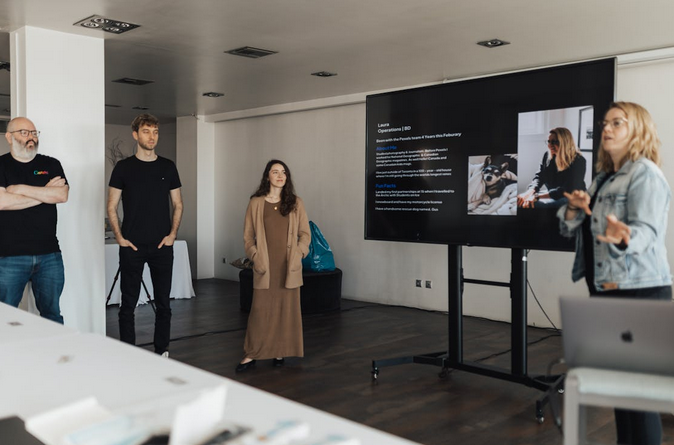
Efficiency is a major concern for any business. AI helps manage resources within smart workspaces by monitoring usage patterns. For example, AV systems can track when rooms are occupied, how often equipment is used, and when maintenance is needed. These insights reduce waste and extend the life of devices. By predicting problems before they occur, AI ensures smoother operations and lowers costs.
Security and Data Protection
As AV systems become more connected, security grows in importance. AI strengthens this area by monitoring unusual activity and flagging potential risks. Facial recognition and biometric verification can control access to meeting rooms or sensitive content. These technologies add a layer of protection without complicating the user experience. Security remains a priority, and AI helps maintain it without slowing down workflow.
Integration With Remote Work
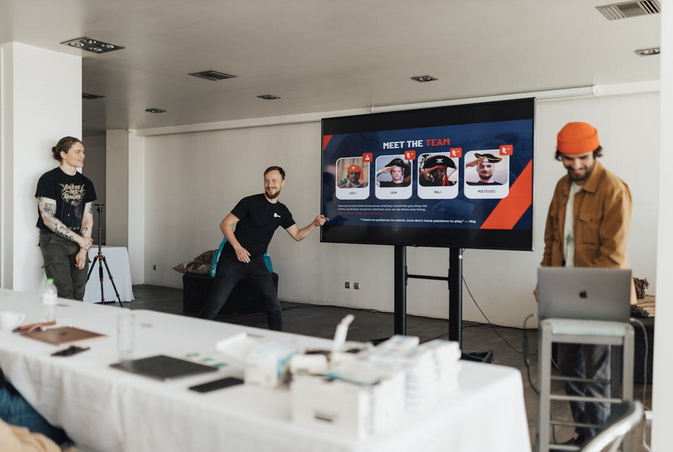
The rise of hybrid work has changed expectations. Teams need to feel connected, whether they are in the office or working from home. AI-powered AV systems close this gap by optimizing video calls and shared digital spaces. Automatic adjustments to lighting, sound, and camera angles create a more natural experience for remote participants. These tools ensure that distance does not limit collaboration.
The Role of Analytics in Decision-Making
Data is now central to how businesses improve. AI-driven AV systems collect and analyze data about how employees use workspaces. This information helps leaders make informed decisions about design, equipment, and resource allocation. For instance, knowing which spaces are underused can guide office layout changes. Analytics bring clarity and give companies the utmost advantage in shaping environments that work better for people.
The future of audio-visual integration will continue to be shaped by AI. Systems will not only support collaboration but also anticipate needs before users express them. As offices adopt smarter tools, the line between physical and digital workspaces will blur. The result will be environments where technology is invisible yet indispensable. For organizations, embracing AI in AV integration is not just about staying modern. It is about creating spaces that make work easier, safer, and more meaningful.